Wondering if that charming older home in Berlin is a dream find or a future project list? If you are drawn to original details, walkable streets, and the character that comes with age, you are not alone. Buying a historic home in Berlin, MD can be incredibly rewarding, but it also calls for careful research, smart due diligence, and a clear renovation plan. Let’s dive in.
Why Berlin Historic Homes Stand Out
Berlin’s history stretches back to the 1790s, and the town was incorporated in 1868. Today, Berlin says 47 individual structures are listed in the National Register of Historic Places, and its surviving historic homes span Federal, Victorian, and 20th-century periods. That variety means you are not shopping one single “historic home” type.
In practical terms, one home may be an early brick house with older masonry concerns, while another may reflect later design details and a different maintenance profile. Berlin’s older housing stock is layered, which is part of the appeal. It also means condition, materials, and likely repair needs can vary a lot from one property to the next.
Expect More Than One Historic Style
If you picture every older Berlin home looking the same, the local record tells a different story. Maryland Historical Trust identifies Burley Manor as a Federal-style brick house from the 1830s, while Merry Sherwood is described as an 1859 Italianate home with Gothic Revival influences. That range supports what Berlin highlights more broadly: a mix of Federal, Victorian, and later period homes.
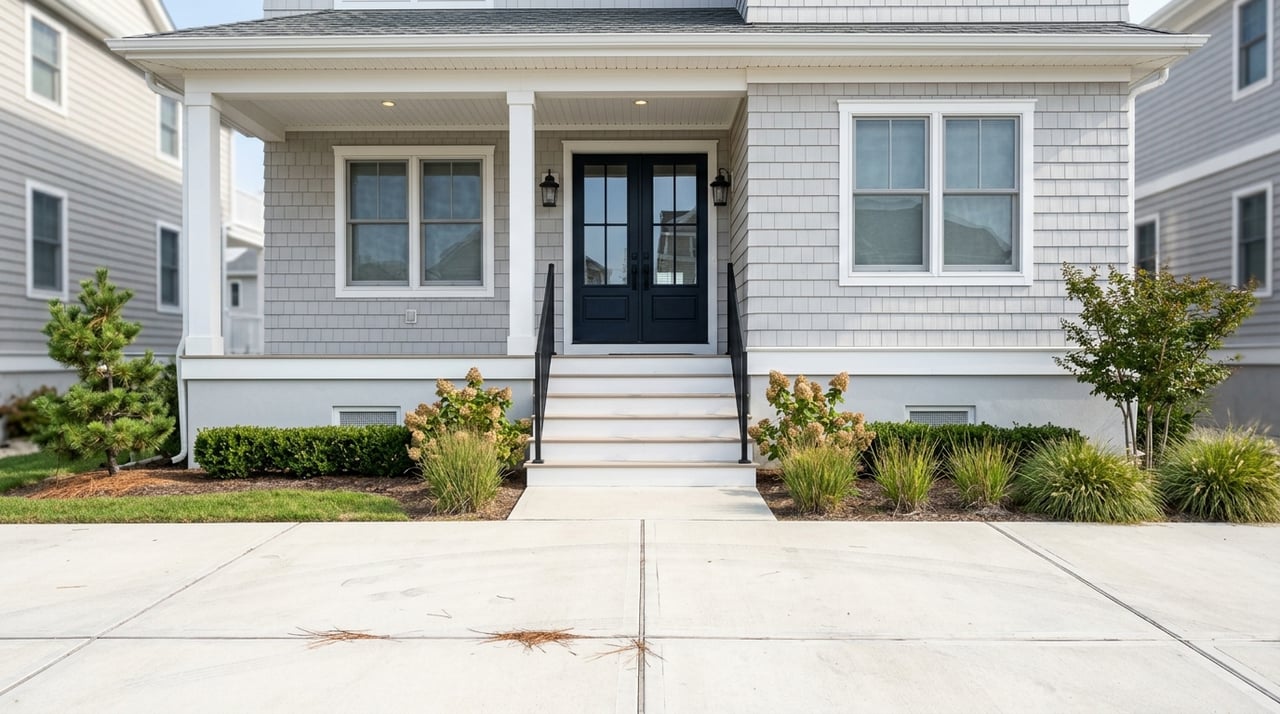
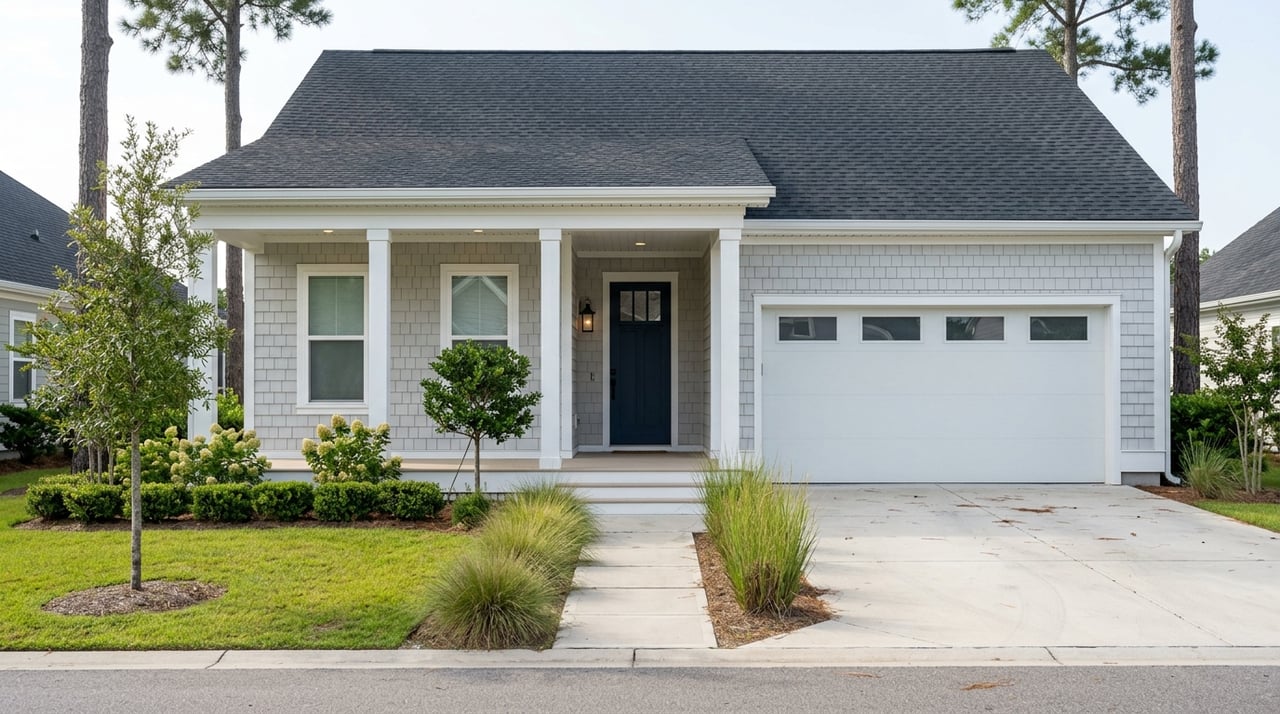
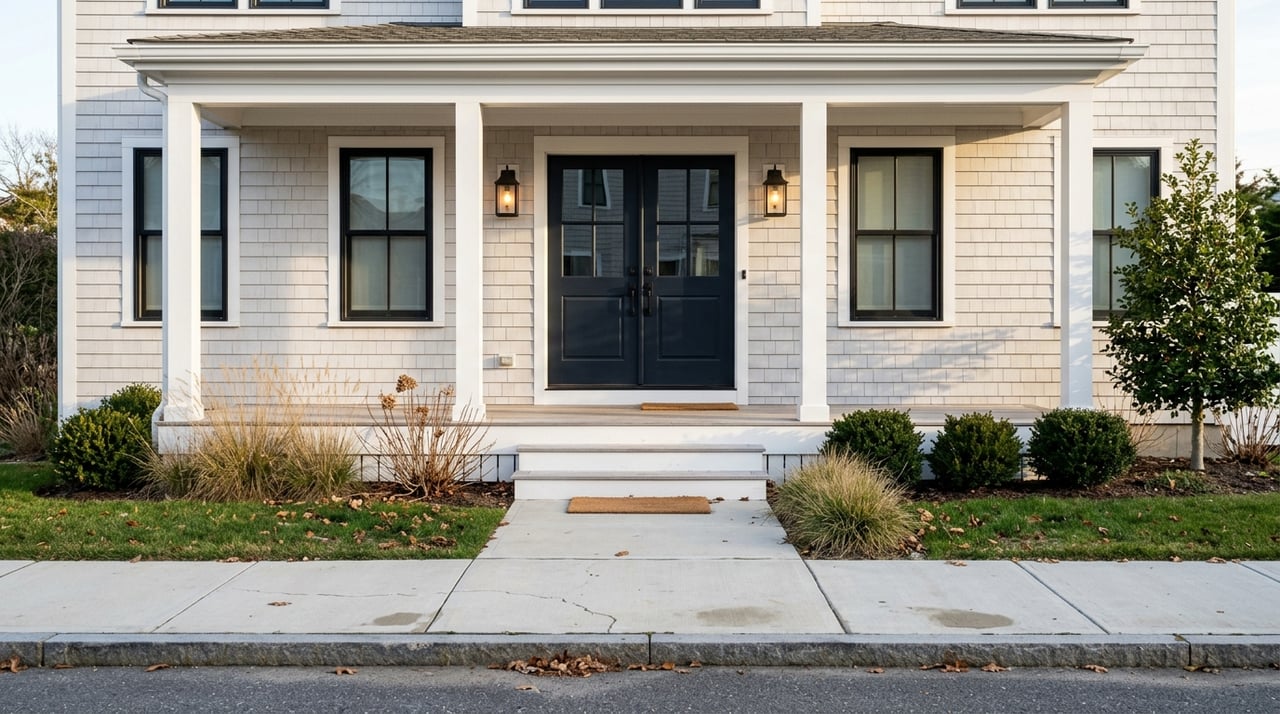
As you tour properties, pay attention to more than surface charm. Rooflines, window proportions, door openings, and overall massing often shape the look and feel of Berlin’s historic streetscape. Those exterior features can be part of what gives a home its value and what may influence future renovation decisions.
Check If the Home Is in Berlin’s Historic District
This is one of the most important early steps. Berlin maintains a mapped Historic District, and the town’s Historic District Commission reviews and authorizes exterior changes to properties within that district. Before you assume you can easily replace windows, alter siding, add exterior features, or change visible design elements, confirm whether the property is inside the locally regulated area.
That step matters because local review is tied to location, not just age. A home may feel historic and still be outside the district, while another may sit within the district and be subject to exterior review rules. Buyers should verify the parcel with Berlin’s Planning and Zoning office before closing, especially if updates are part of the plan.
Understand What Review Applies
Many buyers hear “historic” and assume strict federal oversight. That is not how this works for a private owner in most cases. National Register listing does not, by itself, place federal restrictions or requirements on a private owner, but Berlin’s local rules can still apply to exterior work if the home is in the town’s Historic District.
That distinction can save you a lot of confusion. Interior changes are treated differently from exterior changes in Berlin, because the Historic District Commission’s role is limited to exterior features rather than interior arrangements. So if you love the original façade but want to rethink the kitchen layout, the approval path may be very different for each part of the project.
Make Inspections a Priority
With an older home, inspection is not just another box on the checklist. Maryland law states that a seller’s residential property disclosure or disclaimer is not a substitute for an independent home inspection, and the seller is not required to perform an independent investigation to make the disclosure. That makes your own inspection process a central part of due diligence.
For a Berlin historic home, it helps to think beyond cosmetics. A beautiful porch, old-growth floors, or original trim can be appealing, but the bigger questions often involve systems, structural condition, and age-related wear. An inspection can help uncover issues you may not spot during a quick showing.
Focus on Systems and Age-Related Repairs
When evaluating an older home, it helps to think in categories. Maryland Historical Trust’s homeowner tax credit fact sheet lists common rehabilitation items such as roof repair, chimney repair, window restoration, masonry repointing, and floor refinishing. Those examples offer a useful snapshot of the types of work buyers often face after purchase.
That does not mean every older Berlin home needs major work. It does mean you should go in with realistic expectations. A historic home can be well maintained, but even a well-cared-for property may require specialized repairs over time.
Pay Close Attention to Lead Risk
Lead is an especially important topic in older homes. Buyers of most housing built before 1978 have the right to receive lead-based paint disclosure information before signing a contract, and Maryland guidance notes that homes built before 1978, especially those built before 1950, may contain lead paint.
This matters even if a home appears updated. Renovation, repair, and painting work in pre-1978 homes can create lead dust, so lead should be part of your planning from the start. If you are considering improvements after closing, ask questions early and make sure your inspection and renovation planning reflect the home’s age.
Plan Renovations Before You Close
If you are buying a Berlin historic home with plans to update it, do not wait until after settlement to learn the rules. The town says building permits and related permits are issued through the Planning and Zoning office, and permit categories can include demolition, fence, grading or excavation, and sign permits. Depending on the property and the project, you may also need historic district review for exterior work.
That means your pre-closing homework should include more than pricing contractors. You should confirm what approvals may apply, how your timeline could be affected, and whether the changes you want are likely to fit the local review process. This is especially important if you are buying from out of town and trying to coordinate work on a second home or future retreat.
Interior and Exterior Are Not the Same
A common surprise for buyers is that the easier project is not always the one you expect. In Berlin’s Historic District, the Historic District Commission’s duties are limited to exterior features rather than interior arrangements. So a cosmetic interior update may move on a different path than replacing exterior materials or making visible additions.
That is why a clear renovation strategy matters. Before you buy, make a short list of must-have improvements and separate them into interior and exterior categories. That simple step can help you understand what may be straightforward and what may need further review.
Look Into Tax Credits and Rehab Help
Historic-home ownership can come with financial planning opportunities, especially if you expect to renovate. Maryland’s Homeowner Tax Credit may be available if the property qualifies as a certified historic structure and the work meets program rules. For eligible single-family, owner-occupied residences, the credit can equal up to 20% of qualified rehabilitation costs, with a cap of $50,000, and it requires more than $5,000 in eligible expenses during a selected 24-month period.
The fact sheet also notes that applications are reviewed year-round and that eligible work can include items like roof repair, chimney repair, window restoration, storm windows or doors, masonry repointing, and floor refinishing. If a home you love needs meaningful work, this program may be worth exploring early.
Worcester County also offers a Housing Rehabilitation Program for owner-occupied properties. The county says the program provides grants and loans for general rehabilitation and lead-abatement services, with priority given to safety and health hazards and certain income groups. If you are considering a property that needs more than cosmetic improvement, that is another reason to research your options before you finalize the purchase.
A Smart Berlin Buying Checklist
Before you move forward on a historic home in Berlin, keep these priorities in mind:
- Confirm whether the property is inside Berlin’s local Historic District
- Review the home’s age and consider whether lead-related questions may apply
- Schedule an independent inspection and treat it as a major decision point
- Evaluate likely repair categories such as roofing, masonry, windows, chimneys, and floors
- Ask about your renovation goals before closing, especially for exterior changes
- Check whether the property may qualify for Maryland historic homeowner tax credits
- Explore Worcester County rehabilitation or lead-abatement assistance if needed
Why Local Guidance Matters
Buying an older home near the coast is different from buying a newer property in a standard subdivision. In Berlin, you are balancing charm, preservation context, local review rules, and real-world maintenance planning. That is where local insight can make the process feel much more manageable.
When you work with a team that understands southern Worcester County and the shore market, you can ask better questions before you commit. That kind of guidance can help you look past the romance of a historic façade and make a confident decision about the home, the condition, and the long-term fit for your goals.
If you are thinking about buying a historic home in Berlin, MD, Coastal Life Realty Group can help you navigate the local market with practical insight and a hands-on approach.
FAQs
What makes a home historic in Berlin, MD?
- Berlin’s historic housing stock includes homes from Federal, Victorian, and 20th-century periods, and the town also has 47 individual structures listed in the National Register of Historic Places.
How do I know if a Berlin home is in the Historic District?
- Berlin maintains a mapped Historic District, and you should verify the specific parcel with the town’s Planning and Zoning office before assuming local exterior review does or does not apply.
What does Berlin’s Historic District Commission review?
- The Historic District Commission reviews and authorizes exterior changes to properties in Berlin’s Historic District, while its duties are limited to exterior features rather than interior arrangements.
Why is an inspection so important for an older Berlin home?
- Maryland law says a seller’s disclosure or disclaimer is not a substitute for an independent home inspection, so your inspection is a key part of evaluating condition, safety, and repair needs.
What should buyers watch for in pre-1978 Berlin homes?
- Buyers should keep lead-based paint in mind, because homes built before 1978, especially before 1950, may contain lead paint and renovation work can create lead dust.
Are there financial incentives for renovating a historic home in Berlin, MD?
- Maryland’s Homeowner Tax Credit may offer up to 20% of qualified rehabilitation costs for eligible certified historic, single-family, owner-occupied homes, and Worcester County also offers a Housing Rehabilitation Program for some owner-occupied properties.