Have you found the perfect Ocean City condo only to hear the term non-warrantable from a lender? You are not alone. In a resort market, many condo buildings do not fit standard loan rules, which can surprise buyers and investors. The good news is you still have options. In this guide, you will learn what non-warrantable means, why it is common in Ocean City, how to finance these properties, and how to prepare your documents to keep the process smooth. Let’s dive in.
Non-warrantable condos explained
A condo is non-warrantable when it does not meet the project standards used by major investors such as Fannie Mae, Freddie Mac, or government programs like FHA and VA. That means most conforming loans and many government-backed loans are not available unless there is a specific approval or exception.
Lenders review the entire condo project, not just your unit. Common review factors include:
- Owner-occupancy percentage. Many programs look for about 50 percent or more owner-occupied units.
- Single-owner concentration. One owner holding more than a set share of units, commonly around 10 percent, can be a problem.
- Commercial space. Projects with a high share of retail or office space, commonly above 25 percent, may be ineligible.
- Construction and insurance status. Incomplete phases, missing insurance, or major structural concerns can trigger ineligibility.
- HOA financial health. Thin reserves, weak budgets, or high delinquency rates raise red flags.
- Pending litigation or significant maintenance issues.
If a project is non-warrantable, expect different loan products, often with higher rates, lower loan-to-value limits, and more documentation.
Why many Ocean City condos are non-warrantable
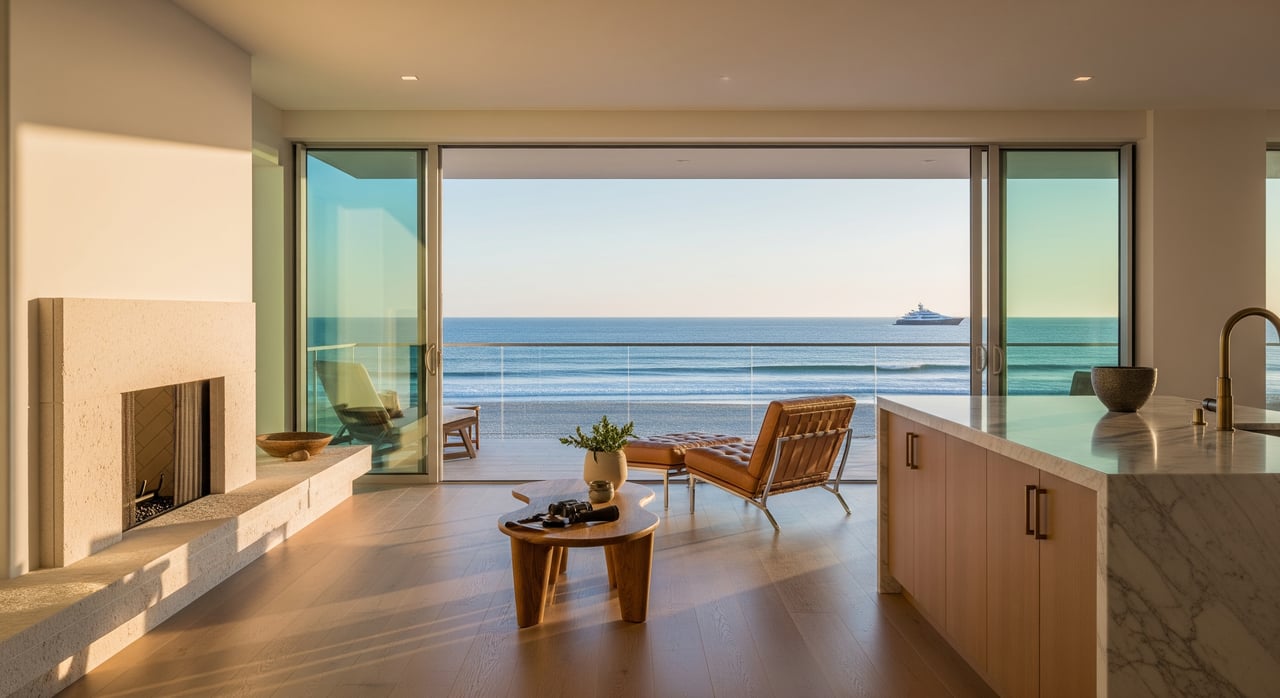
Ocean City is a classic coastal resort market. That lifestyle is a draw, but it also creates patterns that lenders review closely.
High rental and investor mix
Many buildings have a large number of second-home and investor owners who rent seasonally. This can lower the owner-occupancy percentage and add wear and tear, both of which can affect eligibility.
Small HOAs and thin budgets
Smaller associations are common in beach towns. Some do not have formal reserve studies or strong reserves, which can concern lenders.
Seasonal cash flow
HOAs that rely on seasonal rental cycles or special assessments for big projects can have uneven cash flow. Lenders see this as higher risk.
Aging coastal buildings and insurance
Older buildings near the ocean may face deferred maintenance or higher insurance costs for wind and flood coverage. Both can complicate approvals.
Mixed-use and conversions
Projects with retail on the ground level, hotel-to-condo conversions, and phased developments often face stricter reviews.
Local rules and taxes
Short-term rentals require compliance with local licensing and occupancy tax rules. Lenders want to know that rentals are legal and properly documented.
Bottom line: Many beachfront and boardwalk-area condos get flagged for one or more of these reasons. Planning early helps you avoid surprises.
Financing options that work
You still have solid pathways to finance a non-warrantable condo. The best fit depends on your goals and the building’s profile.
Portfolio loans
These are loans local banks or credit unions keep in-house. They can use local knowledge and may accept projects that conforming lenders will not.
- Pros: More flexible underwriting and relationship-based exceptions. Sometimes competitive pricing compared to other non-conforming options.
- Cons: Often lower maximum LTV, larger down payments, and stronger reserve requirements. Product choices can be limited.
- Best for: Buyers of older or small HOA buildings and repeat customers with strong local banking relationships.
Specialty or non-QM loans
These lenders offer products that do not fit standard secondary market rules, including bank-statement, asset-based, or interest-only options.
- Pros: Flexible income documentation and property types. Helpful for self-employed buyers and investors.
- Cons: Higher interest rates, higher fees, and stricter reserve needs. Terms and prepayment rules vary.
- Best for: Investors buying multiple units or borrowers with complex income.
DSCR investor loans
Debt Service Coverage Ratio loans qualify the property based on rental income rather than your personal income.
- Pros: Useful if you plan to rent the unit. Lenders focus on cash flow and rental comparables and often accept non-warrantable projects.
- Cons: The rent must cover the payment at or above a set ratio, commonly around 1.0 to 1.25. Seasonal markets can make this sensitive to off-peak months. Rates and fees are often higher, and LTVs are usually lower.
- Best for: Buyers planning to operate the condo as a vacation rental with documented income potential.
FHA and VA programs
FHA and VA usually require project approval. If the building is approved or qualifies for an individual unit approval, these may be options. If not, these programs are typically off the table.
Seller financing or bridge loans
These can be useful if a seller is willing to help or if you need short-term funds while seeking longer-term financing or while the HOA works toward eligibility. Availability varies by deal.
What to prepare for your lender
Getting the right documents early is the best way to reduce delays.
Condo and HOA documents
- Governing documents: CC&Rs, bylaws, and the condo declaration.
- HOA budget and the most recent financial statements.
- Reserve study or a clear summary of reserves and special assessment history.
- HOA meeting minutes for the last 6 to 12 months.
- Owner list and occupancy breakdown to show owner-occupied versus rented units.
- Master insurance certificate with hazard, liability, wind, and flood details.
- Any litigation disclosures.
- Project status items such as certificate of occupancy and condo plats.
- Estoppel or resale certificate showing dues status and assessments.
- Property management agreement, if applicable.
- Rental rules or short-term rental policy.
- Commercial space details and percentage of non-residential use.
Borrower and investor documents
- Standard loan items: ID, credit report authorization, pay stubs, W-2s, tax returns, and bank statements.
- For self-employed or investors: 1099s, business P&L, bank statement documentation, and asset statements.
- Proof of funds for the down payment and closing costs.
- Leases or rental history if using rental income. For DSCR, include rent comps that reflect seasonal patterns.
- Property management agreements if you will use professional management.
- Evidence of short-term rental licensing or registration, if required.
- Insurance quotes or binders for unit coverage if needed.
What lenders may request for non-warrantable projects
- A condo questionnaire or project review form.
- HOA estoppel or resale certificate.
- Detailed HOA financials and reserve information.
- Proof that no special assessments are pending or full details if they are.
- Evidence of insurance availability and cost, including wind and flood.
- For DSCR loans: rent roll, leases, and market rent support.
Steps to prevent surprises
- Talk to lenders early
- Contact lenders that regularly finance Ocean City resort condos and non-warrantable projects before you write an offer. Ask about their appetite for your target buildings.
- Use the right contingencies
- Include mortgage and condo document review contingencies. Add extra time for HOA document collection and project review.
- Request HOA documents on day one
- As soon as your offer is ratified, request the estoppel, budget, reserve study, insurance declaration, owner list, and meeting minutes.
- Verify rental rules and taxes
- Confirm short-term rental legality, licensing, and occupancy taxes with local authorities or a qualified local attorney.
- Compare loan options
- If the project looks non-warrantable, collect quotes from portfolio, non-QM, and DSCR lenders. Compare pricing, LTVs, reserves, and prepayment terms.
- Budget for cash and reserves
- Expect a higher down payment and more reserves. Plan for points and fees in some non-conforming loans.
- Confirm insurance early
- Check the availability and cost of hazard, wind, and flood coverage. Insurance limits can affect eligibility and pricing.
- Think through your exit
- Ask how non-warrantability may affect your resale timeline and buyer pool. Plan for how future buyers will finance.
Costs, timelines, and LTV expectations
- Down payment and LTV. Many non-warrantable condo loans require 15 to 30 percent down, sometimes more depending on your profile and the project.
- Rates and fees. Pricing is generally higher than standard conforming loans. Points and prepayment terms may apply.
- Reserves. Lenders often require several months of payments in liquid reserves. Some HOAs also expect strong reserve levels.
- Timeline. Underwriting can take longer due to HOA reviews and document collection. Add 2 to 4 extra weeks to a typical conforming timeline.
Exit strategy and resale
If you plan to sell in the next few years, factor in the project’s non-warrantable status. It can narrow the buyer pool to those using portfolio, non-QM, or DSCR financing. Ask your agent to track HOA improvements, reserve changes, or insurance upgrades that could help the project move closer to warrantable over time. That can improve your resale outlook.
Work with local experts
Financing a non-warrantable condo in Ocean City takes planning, but it is very doable with the right team and documents. Start with lenders that understand resort condos, gather HOA materials right away, and choose the loan type that matches your goals and timeline. If you want help matching buildings and financing paths, our team is here to guide you from first tour to closing.
Have questions about a specific building or HOA? Connect with the local experts at Coastal Life Realty Group for clear next steps and lender introductions that fit your plan.
FAQs
What does non-warrantable condo financing mean?
- It means the condo project does not meet common agency standards, so you will use portfolio, non-QM, or DSCR loans that often require higher down payments and more documentation.
Can I use FHA or VA for an Ocean City condo?
- Only if the project is approved or qualifies for an individual unit approval. If not, FHA and VA are typically unavailable for that building.
How do DSCR loans work for vacation rentals?
- The lender underwrites the property’s rent versus the mortgage payment using a coverage ratio, often around 1.0 to 1.25, with attention to seasonal rent patterns.
How much down payment will I need?
- Many non-warrantable condo loans require 15 to 30 percent down. Your credit, the HOA’s health, and the loan type can push this higher or lower.
Which HOA documents do lenders usually ask for?
- Expect requests for the budget, reserves, meeting minutes, insurance certificates, estoppel or resale certificates, occupancy mix, and any litigation details.
How long will closing take on a non-warrantable condo?
- Plan for an extra 2 to 4 weeks beyond a standard conforming loan to allow for HOA document collection and project review.