Trying to decide if an oceanfront condo is worth the premium over a bayside place in Ocean City? You are not alone. The choice often comes down to views, access, rental potential, and ongoing costs. This guide breaks down how each factor affects price so you can set a smart list price or make a confident offer. Let’s dive in.
Oceanfront vs bayside at a glance
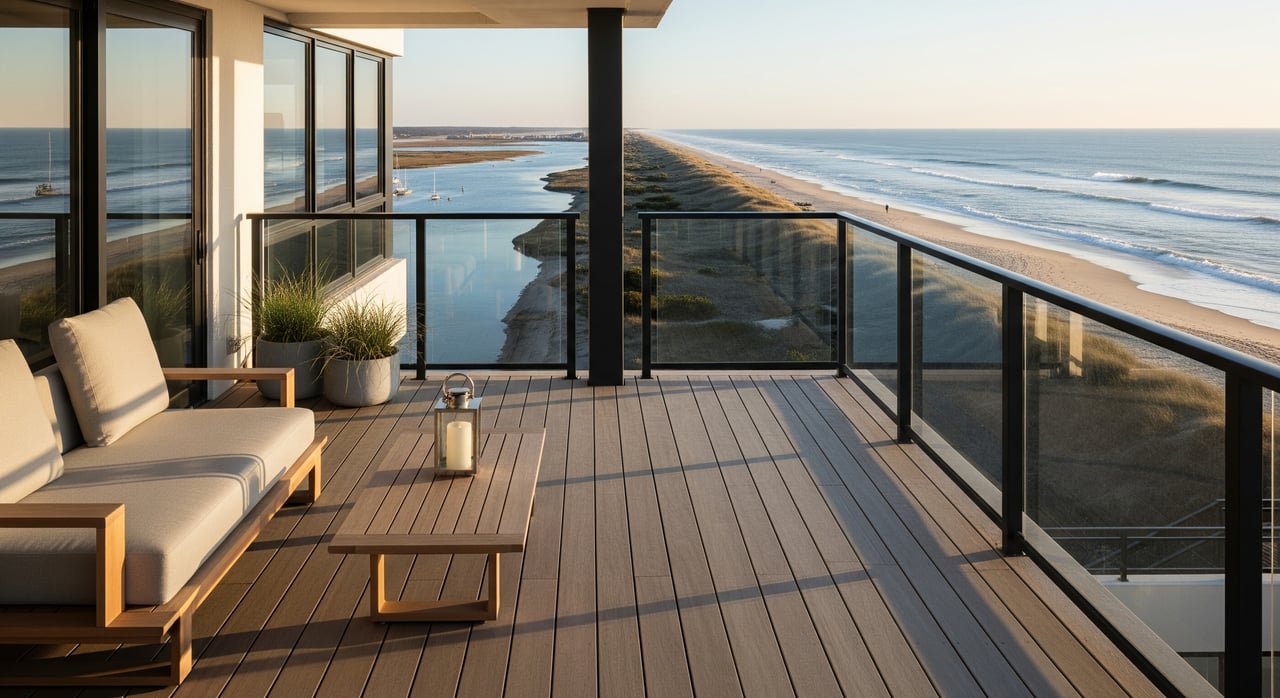
Oceanfront condos attract buyers with direct beach access and unobstructed Atlantic views. That combination is scarce on the barrier island and highly visible to vacationers, which supports pricing. Bayside condos offer sunset views, boating access, and a calmer setting that appeals to boaters and year‑round residents who want value and variety.
Demand patterns differ. Oceanfront units often draw vacation buyers and short‑term rental investors who will pay more for a top view and quick access to the sand. Bayside units appeal to a broader mix, including long‑term residents and buyers who value marinas or quieter settings.
Carrying costs and risk also play a role. Oceanfront buildings face higher exposure to wind and storm surge, which can mean higher insurance and maintenance. Bayside properties can still be in flood zones, but exposure varies by elevation and exact location. Those ongoing costs influence what buyers are willing to pay.
Views and orientation shape price
View quality is one of the biggest pricing levers. A full, unobstructed ocean view typically commands a premium over partial or obstructed views. In the same building, higher floors often sell for more because the views improve and can clear nearby obstructions. If elevator access is limited, factor that into value, especially for top floors.
Orientation matters. East‑facing oceanfront units offer sunrise views and direct beach frontage, a top priority for many vacation buyers. West‑facing bayside units deliver sunsets and calmer water, a big plus for boaters and those who prefer afternoon light. When analyzing comps, segment units by full ocean view, partial ocean view, bayside view, or no water view, then adjust for floor level and view corridor.
Amenities and HOA factors
Amenities and governance can swing value, even within the same neighborhood. Look closely at:
- Beach access: Private or deeded beach access and lifeguarded beaches usually add value.
- Pools and fitness: Heated pools, hot tubs, fitness centers, secure entry, garages, and elevators are common premiums.
- Marina access: On the bayside, deeded boat slips or on‑site marinas can be a major price driver.
- Unit condition: Renovated kitchens and baths, impact‑rated windows and doors, and energy‑efficient upgrades help prices.
- HOA health: Fee levels, what the fee covers, reserve fund strength, and any special assessments affect marketability.
- Rental policy: Buildings that allow short‑term rentals generally attract investor demand and higher peak‑season income. Restrictive policies can lower investor appeal and shift the buyer pool toward owner‑occupants.
Rental income and seasonality
Ocean City is a seasonal vacation market. Peak summer weeks drive most rental revenue, and that seasonality affects annual income potential. Oceanfront condos often command higher nightly rates because of beach access and views. Bayside units with strong sunset views or boat slips can also earn premium rates within their niche.
If rentals are part of your plan, confirm the rules and registration requirements before you buy or list. Review the Town of Ocean City municipal resources for guidance on rental registration and local rules. Always analyze actual rental performance when possible. Ask for owner or manager booking histories, monthly occupancy, and a detailed income and expense statement. Net income is what matters, not just headline nightly rates.
To understand direction and pricing context, study recent sales and active inventory in the regional MLS. Your agent can pull data from Bright MLS to compare price per square foot, days on market, and list‑to‑sale ratios by view category and building.
Risk, insurance, and rules
Coastal risk and insurance costs vary by building and micro‑location. Before you price or make an offer, confirm flood zone designations using the FEMA Flood Map Service Center. Higher‑risk zones can require more expensive flood and wind coverage, which influences buyer budgets and pricing.
Look at elevation, building design, and mitigation features like pilings and flood vents. For a long‑term view of coastal risk, explore the NOAA Sea Level Rise Viewer. Also review local permitting and code requirements that affect renovations and replacement costs. The Worcester County Government site and the Town of Ocean City are starting points for permits, codes, and municipal updates.
Finally, assess building age and maintenance. Salt air can accelerate wear on oceanfront structures. Ask for HOA budgets, reserve studies, meeting minutes, and details on any recent or upcoming special assessments.
How to price a unit
You can build a clear pricing picture by combining the right comps with risk and income data.
Select the right comps
- Segment by water orientation first: direct oceanfront, partial ocean view, bayside with water view, or no view.
- Match floor level, elevator access, unit size, bedroom count, and outdoor space.
- Compare amenities and parking. Deeded garages, assigned spaces, and storage have real value.
- Favor closed sales from the past 6 to 12 months and use active or pending listings to gauge momentum.
Make smart adjustments
- Adjust for view quality and obstructions, floor height, and beach or marina access.
- Account for renovations, impact‑rated windows and doors, and energy upgrades.
- Deduct for deferred maintenance or expected special assessments.
- Reflect operating cost differences. Higher insurance and HOA fees reduce net value for many buyers.
Run the income check
- If investing, build a conservative pro forma using actual booking histories when available.
- Deduct HOA fees, insurance, taxes, property management, utilities, turnover costs, and a reserve for capital items to estimate NOI.
- Compare your NOI to current investor sales to infer a market‑supported value. For broader investor sentiment and trends, browse National Association of REALTORS research and sync with local comps.
Position your listing
- Oceanfront sellers: Lead with view, direct access, and rental records. Provide recent insurance quotes, inspection reports, HOA financials, and rental statements to address risk questions.
- Bayside sellers: Highlight marina access or deeded slips, sunset views, and any cost advantages like lower HOA assessments if applicable. Show off upgrades and storage.
- All sellers: Prepare a clean disclosure package covering reserves, rental policy, recent assessments, insurance details, and any building projects.
Bayside or oceanfront: which fits?
Choose what aligns with your lifestyle and budget. If daily beach time and sunrise views top your list, oceanfront likely earns its premium. If you want sunsets, boating, and a quieter setting at a lower entry price, bayside can deliver strong value.
For investors, oceanfront usually offers higher peak‑season nightly rates, though seasonality and higher insurance can narrow net returns. Bayside can serve both owner‑occupants and investors, and units with boat slips or standout views can achieve premium pricing within that segment.
Next steps
Price is the product of view quality, access, amenities, rental rules, and risk. If you compare the right comps, verify flood and insurance details, and analyze true net income, you will make a smart decision in Ocean City.
If you would like a tailored pricing opinion or an investor‑grade income analysis, reach out to our team. We combine local knowledge with modern marketing to help you buy or sell with confidence. Connect with Coastal Life Realty Group to start the conversation or Get Your Instant Home Valuation.
FAQs
How much more are oceanfront condos worth in Ocean City?
- It depends on building, floor, view quality, unit condition, HOA coverage, and current demand, so use recent closed comps and verified rental performance to estimate the premium.
Do oceanfront condos cost more to insure in Ocean City?
- Often yes due to wind and storm surge exposure; confirm flood zone status via the FEMA Flood Map Service Center and request sample quotes to understand the difference.
How do rental rules affect condo value?
- Buildings that allow short‑term rentals usually attract investor demand and higher peak‑season income, while restrictive policies shift value toward owner‑occupant buyers and can change pricing dynamics.
What HOA documents should I review before buying or listing?
- Review the budget, reserve study, rental policy, meeting minutes, and any special assessments, plus insurance deductibles and known building projects.
How can I evaluate a unit’s rental potential in Ocean City?
- Request booking histories with monthly occupancy and gross revenue, plus all expenses; build a pro forma that includes HOA fees, insurance, taxes, management, utilities, turn costs, and a capital reserve, then compare with local comps from Bright MLS.