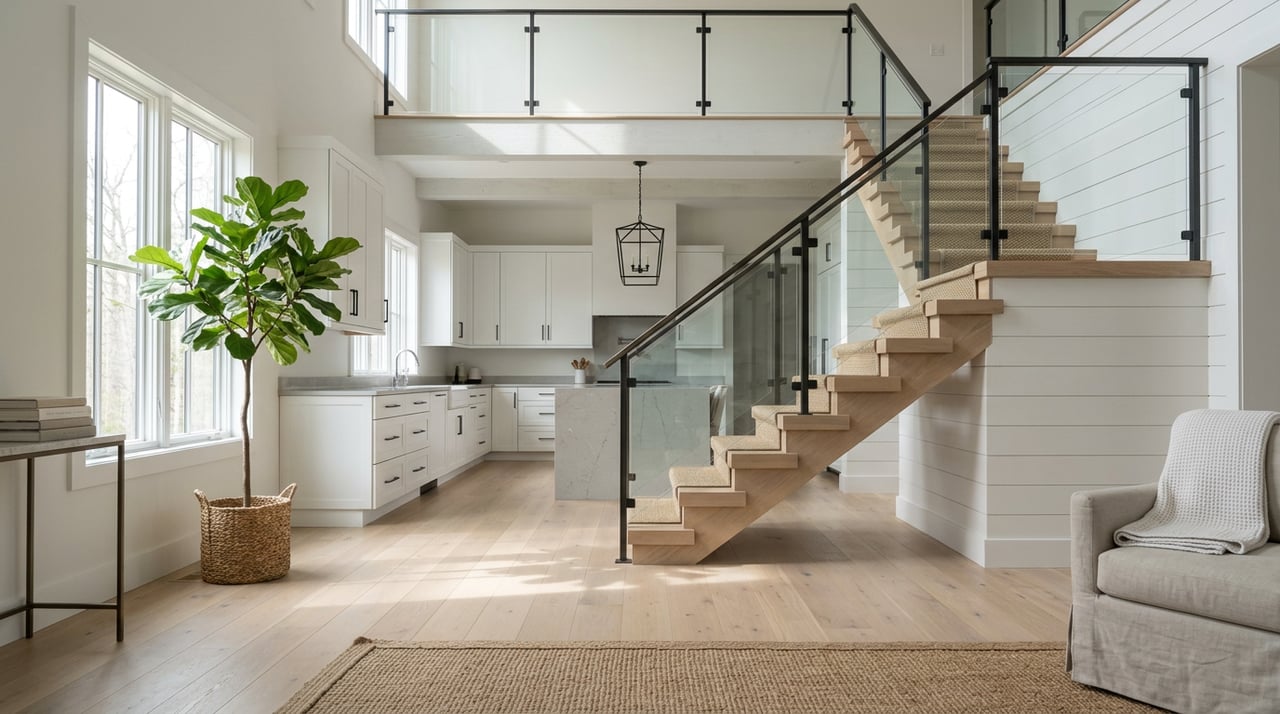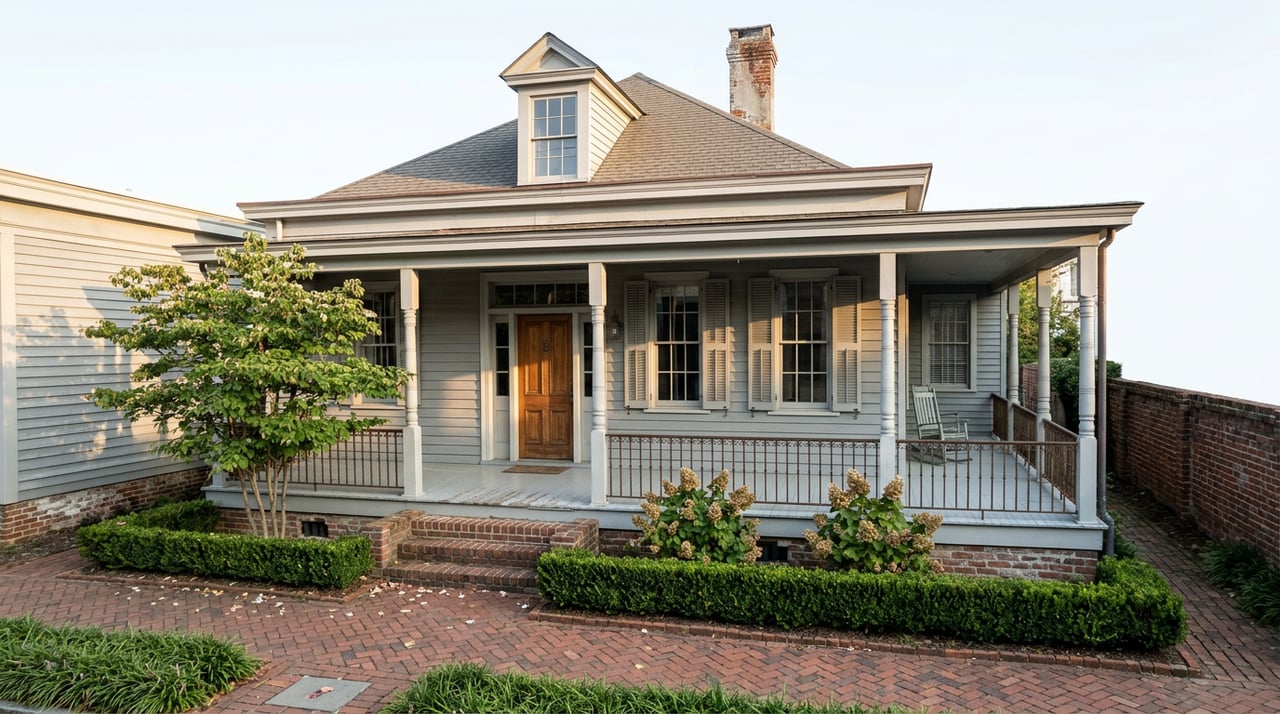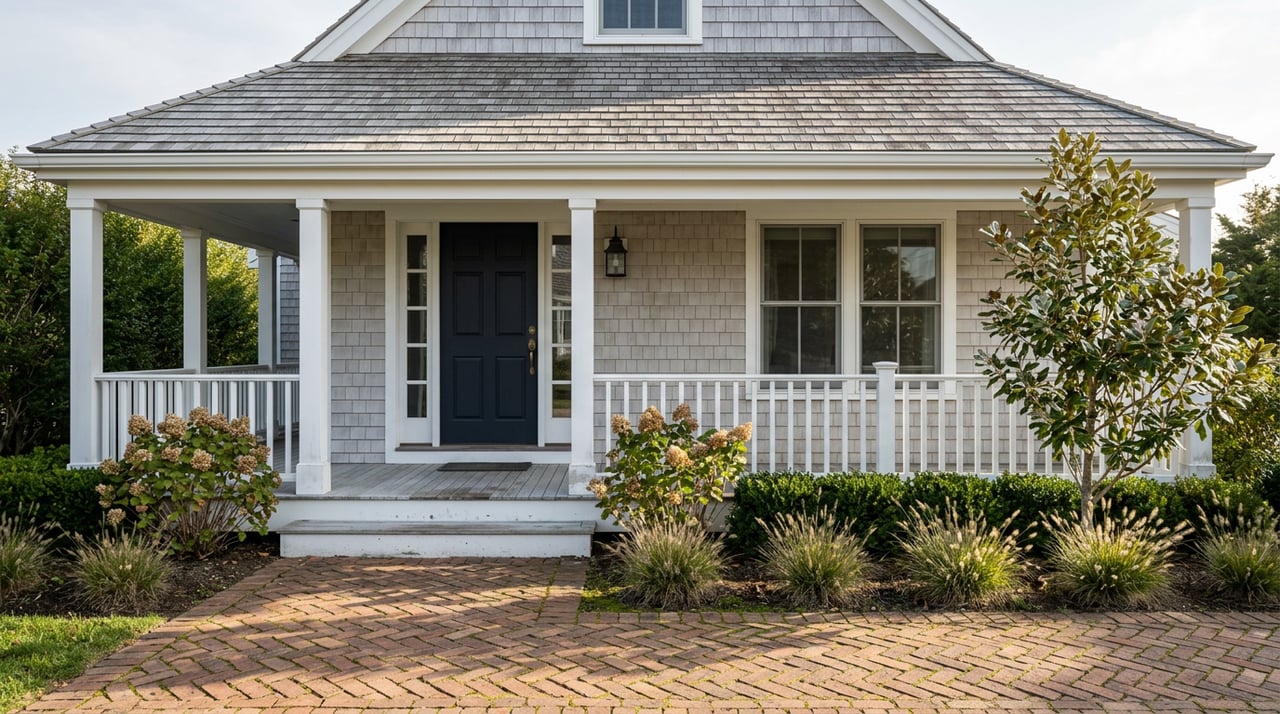
Two Ocean Pines listings can carry the exact same lot classification, sit a few streets apart, and quote the exact same annual assessment on the disclosure paperwork. A buyer comparing them on paper would reasonably assume the carrying costs are identical. Then one of them turns out to belong to a section with its own separate association, its own separate invoice, and its own separate set of rules that the base Ocean Pines Association number never mentioned.
That gap is not a paperwork error. It is how Ocean Pines is actually structured, and it is the detail that trips up buyers who compare the community using only the number everyone quotes.
What the base assessment actually pays for
Every property in Ocean Pines pays an annual assessment to the Ocean Pines Association, and for the fiscal year that began May 1, 2026, that assessment breaks into four main tiers depending on lot type. Non-waterfront lots pay $915. Non-waterfront estate lots pay $1,373. Waterfront lots pay $1,580. Waterfront estate lots pay $2,370.
That range already tells you something most listing sheets don't spell out: "waterfront versus non-waterfront" was never really a two-tier system. It's at least four tiers, and the estate designation moves the number as much as water access does.
What that assessment buys is narrower than a lot of buyers expect. It funds roads, drainage, parks, and public safety, meaning the community's own police department and fire stations. It does not include the pools, the golf course, the Beach Club, the marina, or the racquet sports complex. Those run on separate, optional memberships, which is a structure Ocean Pines has kept in place deliberately so owners who don't golf or keep a boat aren't subsidizing amenities they never use.
The number is traceable, and that's worth understanding before you dismiss it
The FY2026-2027 budget added $40 to the base assessment, and Ocean Pines Association officials were specific about where that $40 goes. Fifteen dollars offsets Worcester County's increase in water and wastewater billing. Twenty-five dollars funds construction of a new Volunteer Fire Department station on the south side of the community. Public safety alone accounts for 42 percent of the annual assessment, according to figures presented at the board's January budget session.
During board discussion of that budget, director Elaine Brady pushed back on the instinct to read every increase as inevitable:
"I think sometimes we get wrapped up in percentages, which doesn't always show the true story. When we get wrapped up in these percentages, we lose what's going on in people's pockets."
The board ultimately approved the budget unanimously, with member praise directed at general manager John Viola's team for what several directors called a balanced plan. The point for a buyer isn't whether $40 is a lot or a little. It's that the base number is line-itemized against specific capital projects, not a generic pool of HOA money, which makes it a reasonably transparent number to evaluate against future increases.
Why the base number hasn't climbed faster than it has
Public safety costs are rising in Ocean Pines the same way they're rising in most coastal Maryland communities, yet the base assessment has moved in increments of tens of dollars rather than hundreds. Part of the reason is a funding stream that doesn't show up anywhere on a listing sheet: monthly revenue transfers from the Ocean Downs casino and racetrack in nearby Berlin.
Maryland's slots law directs a share of casino revenue to local impact grants, and Worcester County splits that share among the county government, Ocean City, Berlin, and Ocean Pines. For the fiscal year that began in 2025, Ocean Pines budgeted roughly $500,000 in casino fund transfers toward its reserves, money that association officials have used for years to offset a decline in state highway user fee revenue that once funded road paving directly. That revenue, which peaked near $500,000 in 2008, had fallen to about $31,000 annually within a few years of the state cutting highway user funding, and the casino transfer has functioned as the replacement ever since Ocean Downs opened its slots operation in 2011.
None of this changes what a buyer owes today. It does explain why the headline assessment has stayed comparatively modest even as the community adds a new fire station and absorbs higher insurance and staffing costs. The number you see on a listing is subsidized by a revenue source that has nothing to do with the property itself.
The second association layer inside some sections
Here is the part that actually changes how two otherwise similar listings compare. A defined group of named sections within Ocean Pines carry their own secondary homeowners association layered on top of the base OPA assessment. Closed-sale patterns across the community show this fee signal consistently in Teal Bay, Pintail Isle, Wood Duck Isle I, Wood Duck Isle II, Whitetail Sanctuary, and The Point. In most of these sections, the additional dues run a few hundred dollars above the base assessment, funding things like section-specific common areas or additional architectural review.
The Parke is a different order of magnitude. It's a 55-plus community within Ocean Pines with its own governing association, and its annual dues run materially higher than the base OPA number and higher than the other fee-bearing sections. A buyer evaluating a Parke listing purely against the community-wide assessment figure would be working from a number that undersells the real carrying cost by a wide margin.
Colonial Village belongs in this conversation for a different reason. Closed-sale data doesn't show a meaningful fee premium there, but the section has its own governing documents and its own architectural review process. That's a useful reminder that the dollar figure isn't always where the friction lives. Sometimes what a section restricts you from doing to the house matters more than what it costs to live there.
What this means when you're comparing two listings
If you're comparing an Ocean Pines home in Pintail Isle to one in, say, a section without a secondary association, matching the base OPA assessment tells you the two properties are taxed the same by the master community. It tells you nothing about whether one of them comes with a second invoice, a separate set of covenants, or an architectural review board that the other doesn't have.
The practical fix is straightforward. Before your contingency period closes, ask specifically whether the section carries its own association, request that section's governing documents alongside the standard Ocean Pines Association resale package, and confirm current dues in writing rather than relying on a listing sheet that may only show the base number. The Ocean Pines Association publishes assessment information directly on its website, and that's a reasonable starting point, but it won't surface a section-level fee that belongs to a separate entity.
Frequently asked questions
Does every section in Ocean Pines have a secondary association? No. Most of the community pays only the base OPA assessment. The sections known to carry an additional layer include Teal Bay, Pintail Isle, Wood Duck Isle I, Wood Duck Isle II, Whitetail Sanctuary, The Point, and The Parke, along with Colonial Village for governance reasons rather than fees.
Is the secondary fee included in the number on a listing sheet? Not reliably. The figure most commonly quoted is the base Ocean Pines Association assessment. A section-specific fee is a separate obligation and needs to be confirmed separately, typically through that section's own association documents.
Why does The Parke cost more than other fee-bearing sections? The Parke is a 55-plus community with its own association and its own amenities and administration, which is reflected in dues that run well above both the base OPA assessment and the smaller additions seen in sections like Teal Bay or Pintail Isle.
If you're weighing two Ocean Pines listings and want to know exactly what section each one sits in and what that section actually costs to own, Coastal Life Realty Group can walk you through the assessment, the section documents, and the amenity memberships before you write an offer.